Surface Swab Sampling
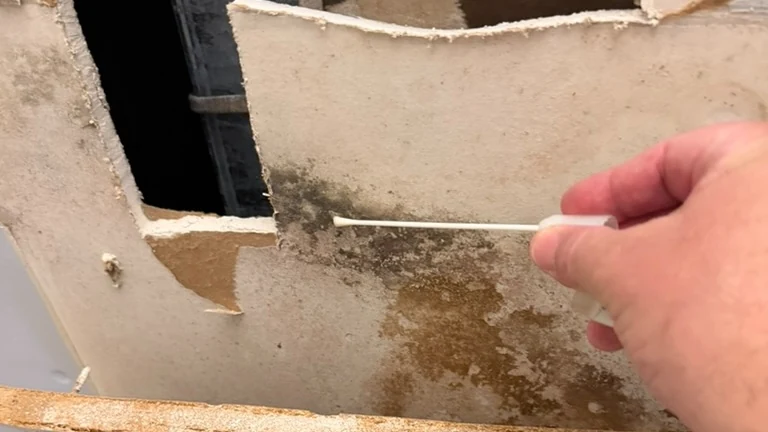
A targeted surface sample may be collected from suspected growth or contamination and sent to a laboratory for identification.
Customize an inspection based on your property size, assessment scope, and laboratory samples, and see an estimated price immediately.
Every property and every concern is different. Use the calculator below to customize a mold assessment and laboratory testing estimate based on your property size, the assessment scope you need, and the laboratory samples appropriate for your home's layout and areas of concern. Your estimated total is calculated from the assessment, laboratory samples, and optional services you select.
Instant price estimate
Start by entering your property's square footage, then follow Steps 1 through 4. The calculator will automatically show the appropriate assessment and available testing options for your property.
This calculator builds a customized assessment and laboratory testing estimate. Choose an assessment scope, then add the laboratory samples needed for the home’s layout and areas of concern, or add ERMI Testing on its own. An assessment can also be completed without laboratory testing if preferred.
Required for a whole-property assessment, standalone moisture mapping, or attic inspection. Leave blank to choose a Targeted-Area Assessment.
Square footage determines the available assessment options and the correct pricing. Stories, bedrooms and bathrooms help you understand the sampling guidelines and never change the price or add samples.
Property over 5,000 sq. ft. requires customized pricing for a whole-property assessment. Call (954) 994-8847.
Select the area of concern in your home and the type of testing you would like for each sample. If you select an indoor air sample, an outdoor baseline air sample will be added automatically for comparison. Laboratory testing is optional. Add as many samples as needed, or none at all.
One Dust Sample and One ERMI Score
ERMI uses DNA-based laboratory analysis to evaluate mold DNA present in settled dust. Unlike standard air sampling, it reflects material collected from accumulated dust at the selected location.
What’s Included
Optional services only. Moisture mapping is a standalone alternative, not an extra charge with a mold assessment.
Enter the property owner or contact information below to create your estimate.
Preview a completed Home Enviro mold inspection estimate before creating your own.
The sample shows how your selected services, laboratory samples, discounts, estimated total, and customer information will appear in the final PDF.
View Sample EstimateSeparate service • After remediation
Use this separate calculator after mold remediation has been completed. PRV starts at $375 for three laboratory samples. No assessment selection or property square footage is required, and this estimate is never combined with the mold assessment calculator above.
Minimum Testing Requirement:
Minimum of 3 Laboratory Samples
Each sample is $125. Minimum PRV total: $375. No separate inspection fee.
Additional Samples: $125 each
No discount applies to Post-Remediation Verification testing.
The final number of samples may increase depending on the number of containment areas, containment layout, size and location of the remediated areas, HVAC configuration, and whether remediation was performed in multiple sections of the property.
PRV is priced separately from Professional Mold Assessment and Expanded Professional Mold Assessment. Use the PRV sample selections below, not the standard laboratory sample controls in Step 3.
Select PRV above to enter sample locations and add samples. The three included samples are a starting configuration, not necessarily the final number required.
Starting at $375
3 PRV laboratory samples minimum, including the outdoor baseline.
Enter the property owner or contact information to create a downloadable PRV estimate with its own estimate number.
This clears the square footage, assessment, laboratory samples, add-ons, and the customer information entered for this estimate. Estimates you already created keep their numbers.
Different sampling methods may be recommended depending on the inspection findings, suspected moisture conditions, visible growth, concealed areas, and indoor air concerns.
A targeted surface sample may be collected from suspected growth or contamination and sent to a laboratory for identification.
A small, discreet access point allows a collection tube to sample air from inside a concealed wall or ceiling cavity.
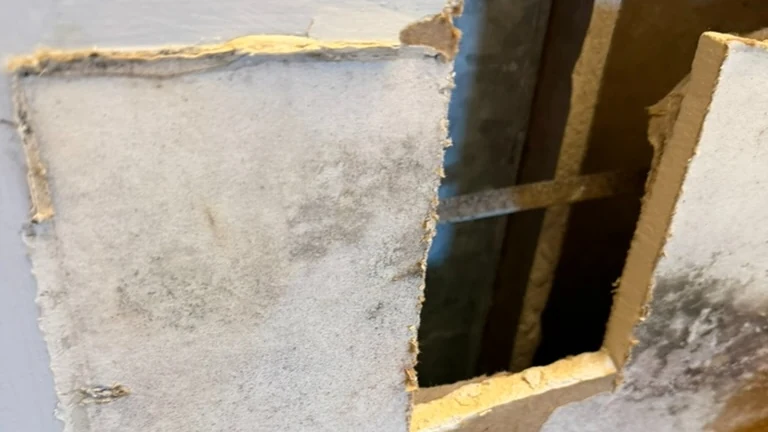
A physical piece of drywall, insulation, carpet, or other building material may be collected and sent to a laboratory for analysis.
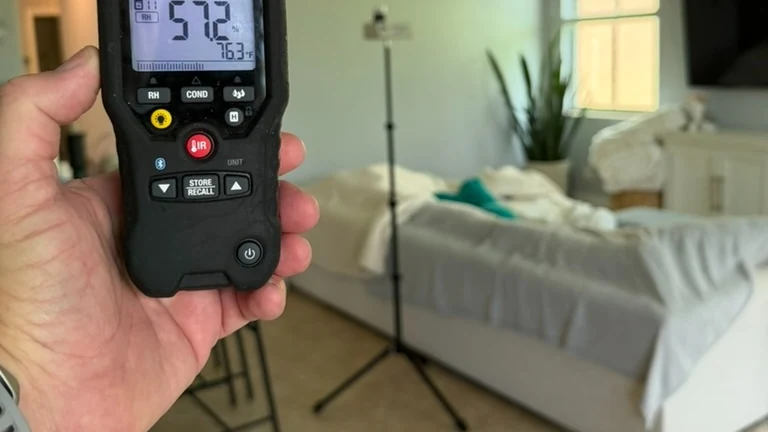
A calibrated air sample is collected at breathing height to help evaluate airborne mold spores and indoor air conditions.
Our inspections combine visual assessment with professional moisture, thermal imaging, particle monitoring, air sampling, and surface sampling equipment to help identify moisture concerns and potential mold conditions.
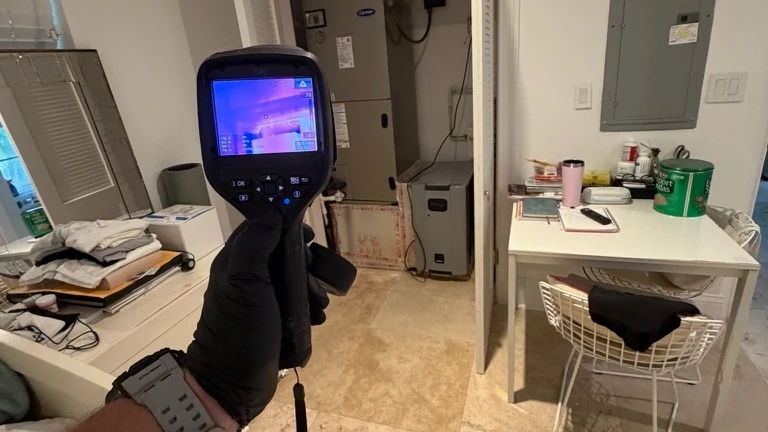
Thermal imaging can help identify temperature differences that may indicate hidden moisture or building-envelope concerns.
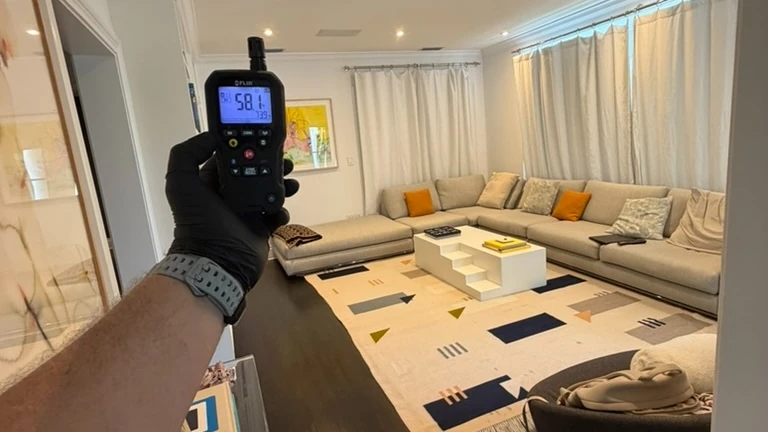
Humidity and moisture conditions are evaluated to help identify areas that may require closer inspection.
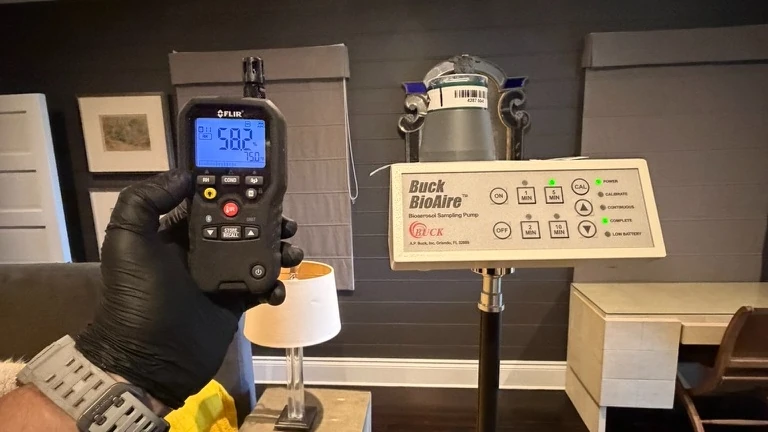
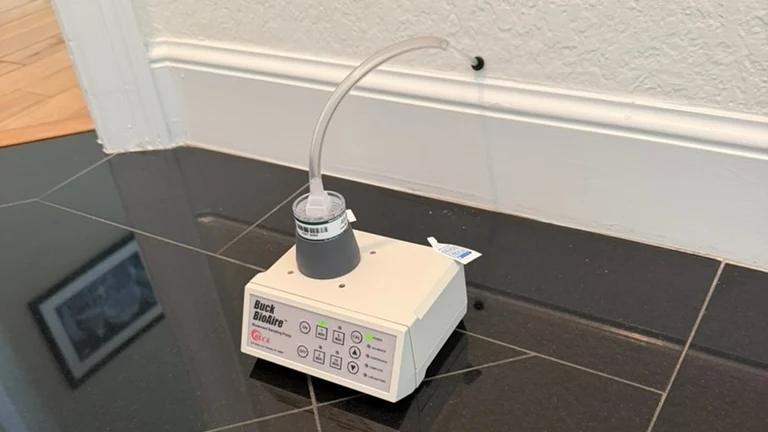
A calibrated bioaerosol pump collects an air sample for laboratory analysis of airborne mold spores.
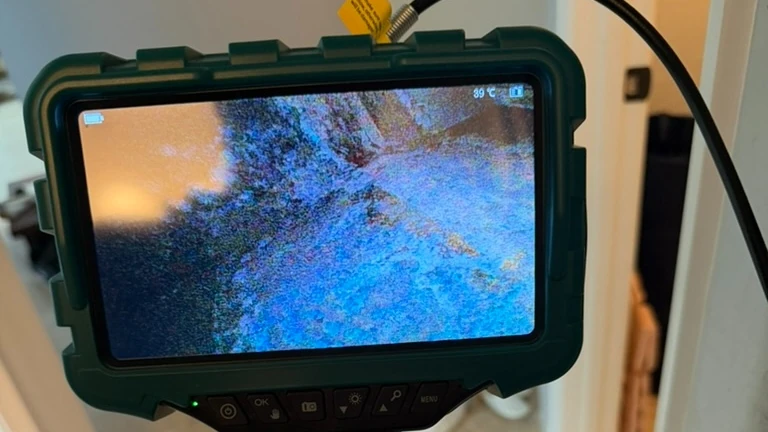
A borescope allows inspection of difficult-to-access areas and concealed building cavities.
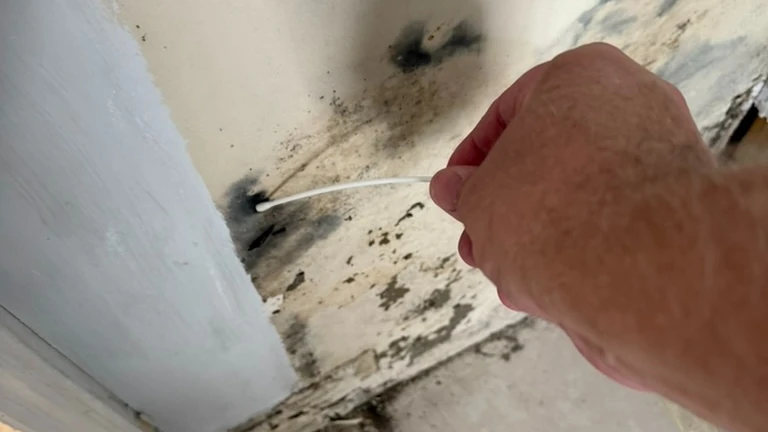
A sterile swab may be used to collect a targeted surface sample for laboratory identification.
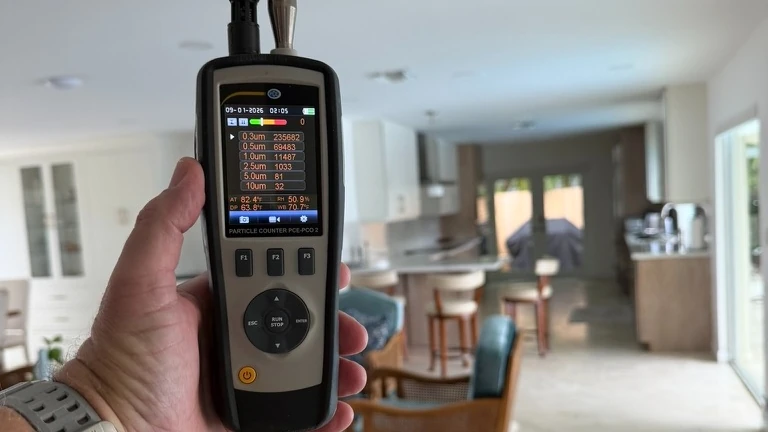
Particle measurements provide additional information about airborne conditions within the home.
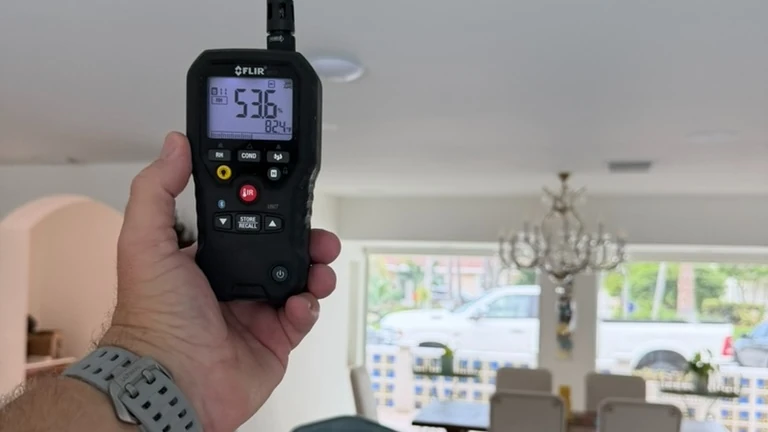
Relative humidity readings help identify indoor conditions that may support moisture-related concerns.
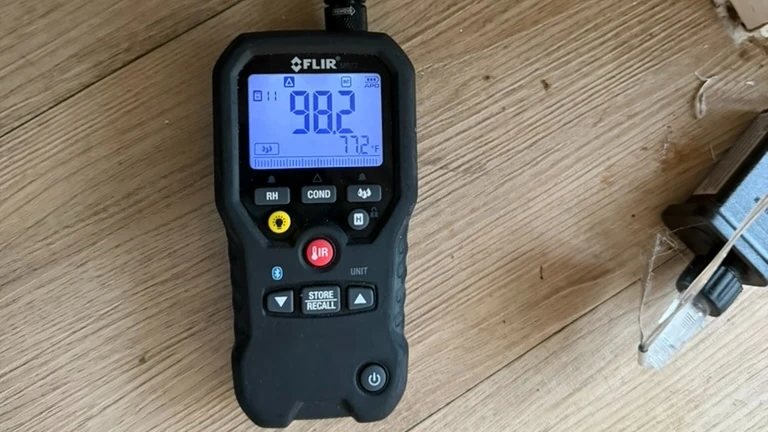
A moisture meter can help locate elevated readings in flooring and other building materials.
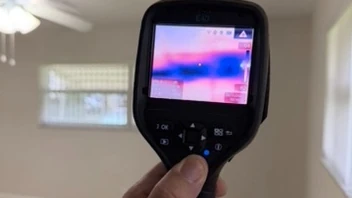
Thermal scanning is used to identify areas that may warrant further moisture investigation.
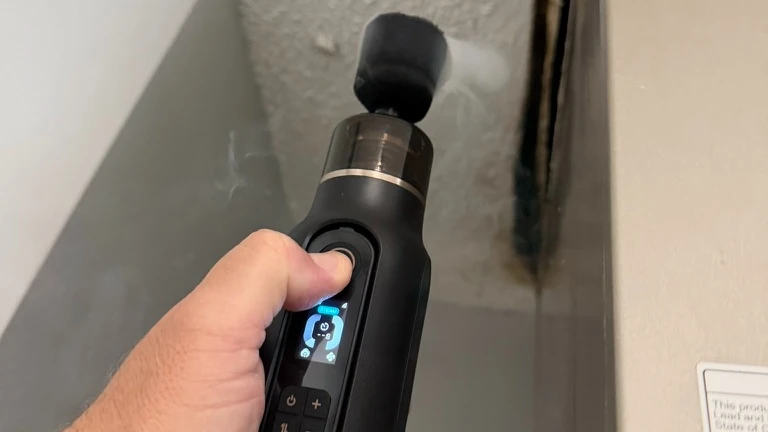
Visible tracer smoke helps assess air movement near building components and suspected leakage pathways.
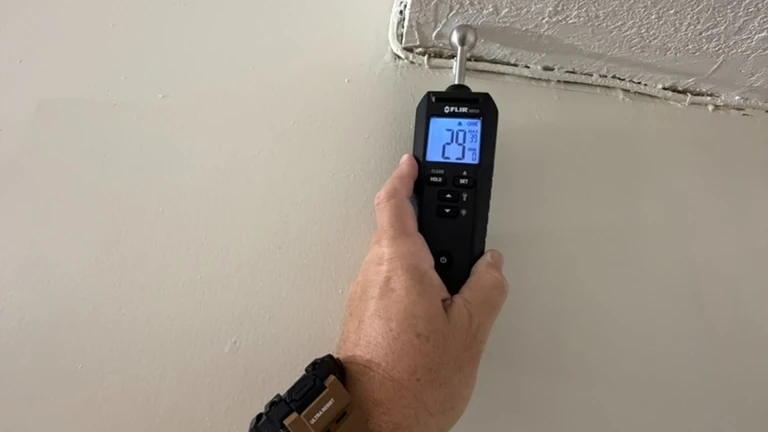
Suspected moisture-affected materials are evaluated to help determine whether additional testing is appropriate.
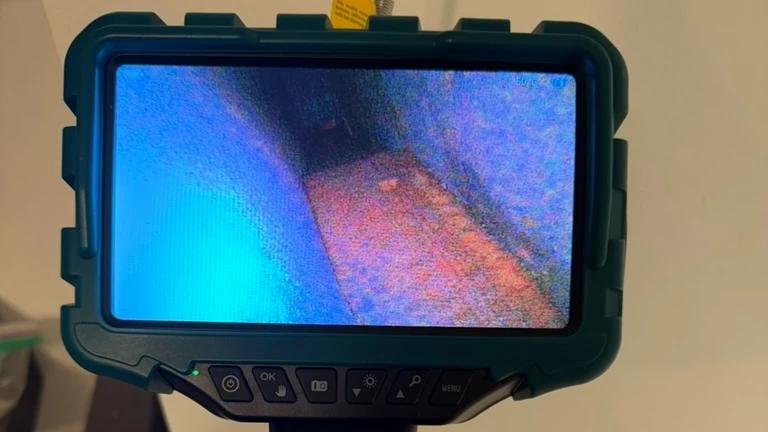
A borescope provides a closer view inside concealed areas to help evaluate conditions that are not visible from the room.